How to Train Your Mind and Body for Freediving Breath Control

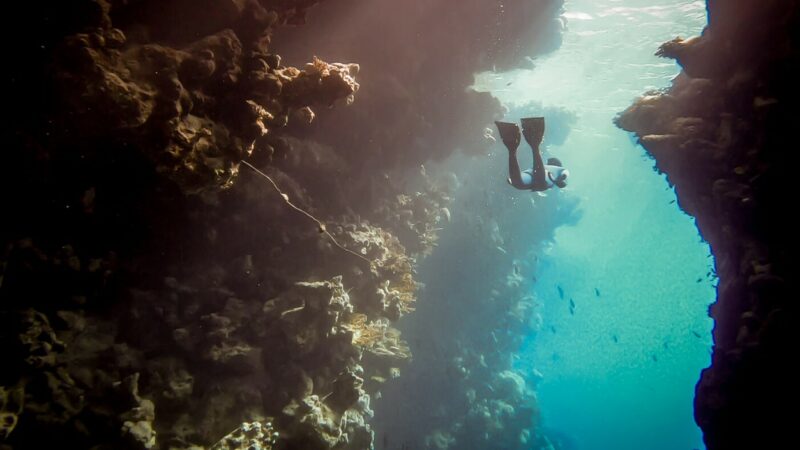
Reimagine your aquatic encounters through freediving breath holding in Sharm El Sheikh with Apnetica. We unite AIDA-certified mastery with elite equipment to cultivate a protected learning space. Customized programs evolve with your abilities, guiding mastery of depth techniques while unveiling profound tranquility beneath the surface. Journey with our specialists for training that marries technical excellence with meditative focus. Starting your freediving breath holding journey with expert guidance ensures you build both the physical capacity and mental clarity needed for safe and rewarding dives.
Why Is Training Both Mind and Body Essential for Breath Control?
Freediving is not simply about holding your breath longer; it’s about mastering the interplay between your body and mind. Physical training increases lung capacity and oxygen efficiency, while mental training helps control anxiety and maintain relaxation. The mind-body connection is what allows divers to stay calm and extend their breath hold safely, making every dive more efficient and enjoyable.
What Physical Exercises Improve Breath Control?
To enhance breath control, you should focus on exercises that strengthen your respiratory system and increase CO2 tolerance. Diaphragmatic breathing and slow, deep inhalations prepare your lungs for maximum oxygen intake. Practicing static apnea (holding your breath while stationary) and dynamic apnea (breath holds during movement) gradually builds endurance. Yoga and cardiovascular exercises also improve overall lung function and body awareness.
How Can Mental Training Help Manage Stress Underwater?
Mental training is crucial because stress causes faster oxygen consumption and can cut dives short. Techniques like meditation and mindfulness help you maintain calmness before and during a dive. Visualization is another powerful tool—imagining successful, relaxed dives primes your brain to stay focused and control your breath better. This mental preparation often leads to breakthroughs in breath hold duration.
What Role Does Relaxation Play in Breath Holding?
Relaxation slows your heart rate and reduces oxygen use, which are key factors in extending breath holds. Before diving, practicing progressive muscle relaxation helps release tension from the body. Underwater, controlled and smooth movements conserve energy and oxygen. Learning to trust your body and remain calm, even in challenging situations, enhances your freediving experience significantly.
How Does Apnetica Personalize Breath Holding Training?
Apnetica’s programs are designed to adapt to each individual’s progress and goals. Our AIDA-certified instructors assess your current abilities and create a balanced training plan that combines physical techniques with mental coaching. With access to professional equipment and a safe environment, you receive real-time feedback and support. This tailored approach ensures continuous improvement without compromising safety.
What Safety Practices Should Beginners Keep in Mind?
Safety always comes first in freediving. Never train alone—always have a dive buddy or instructor present. Learn to recognize your body’s warning signs, such as dizziness or tingling sensations. Proper equalization, controlled ascents, and respecting your limits are non-negotiable safety rules taught thoroughly at Apnetica.
Ready to deepen your freediving breath control through expert mind and body training? Visit Apnetica to start a journey that combines technical mastery with mental focus, opening doors to longer, safer, and more serene dives. What to Expect from Your First Freediving Course A Beginner’s Guide to Breath Holding and Safety.
Comments are closed.